The launch of Claude Cowork represents more than just another AI tool — it signals a fundamental shift toward democratizing AI collaboration. In this article, we explore the concept of "Open Cowork" and how it's reshaping the future of AI-powered productivity.
The Philosophy of Open Cowork
"Open Cowork" represents a paradigm where AI collaboration tools are:
- Accessible to everyone, regardless of technical background
- Transparent in how they operate and process data
- Interoperable with existing workflows and tools
- Customizable to individual and team needs
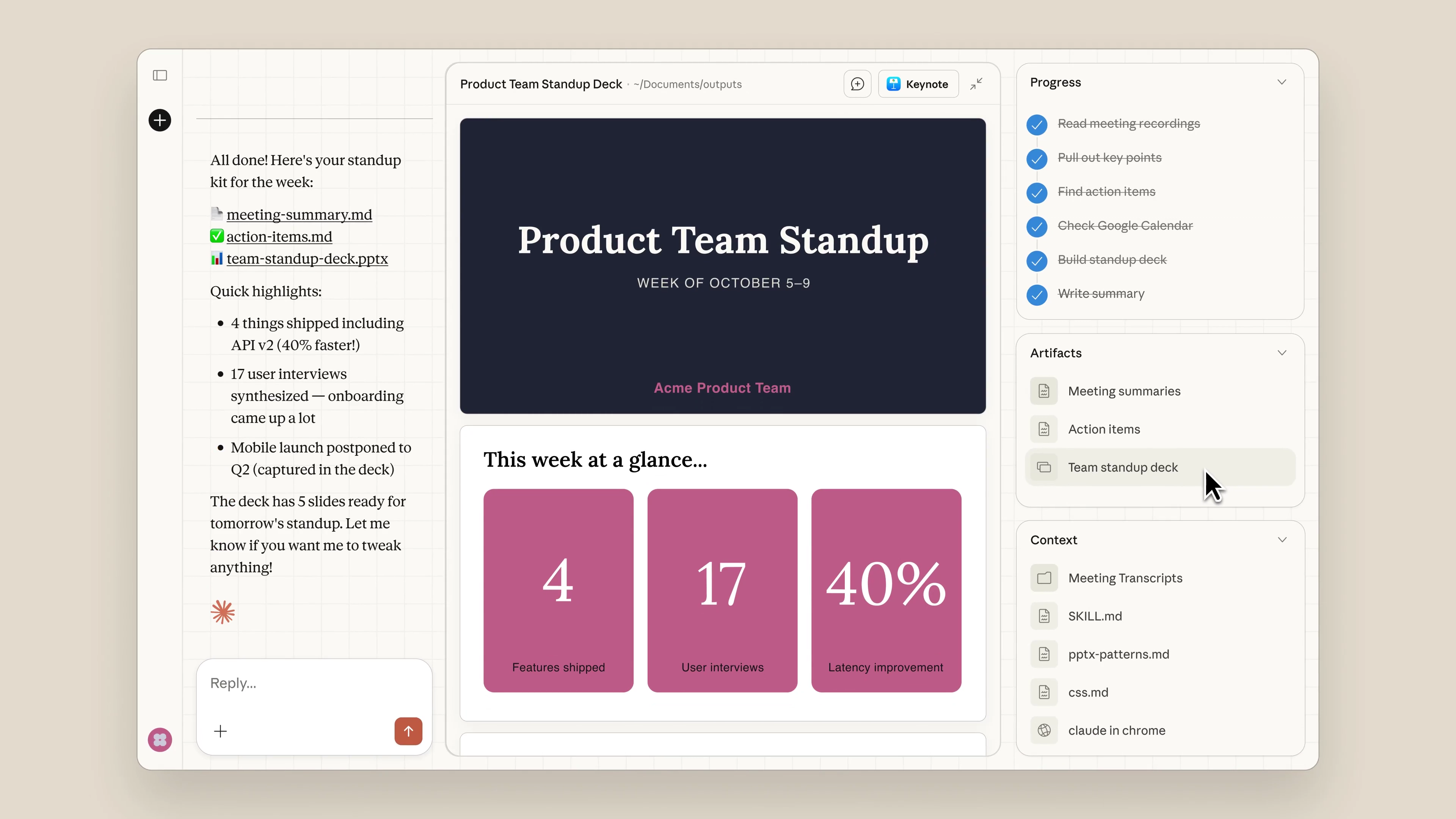
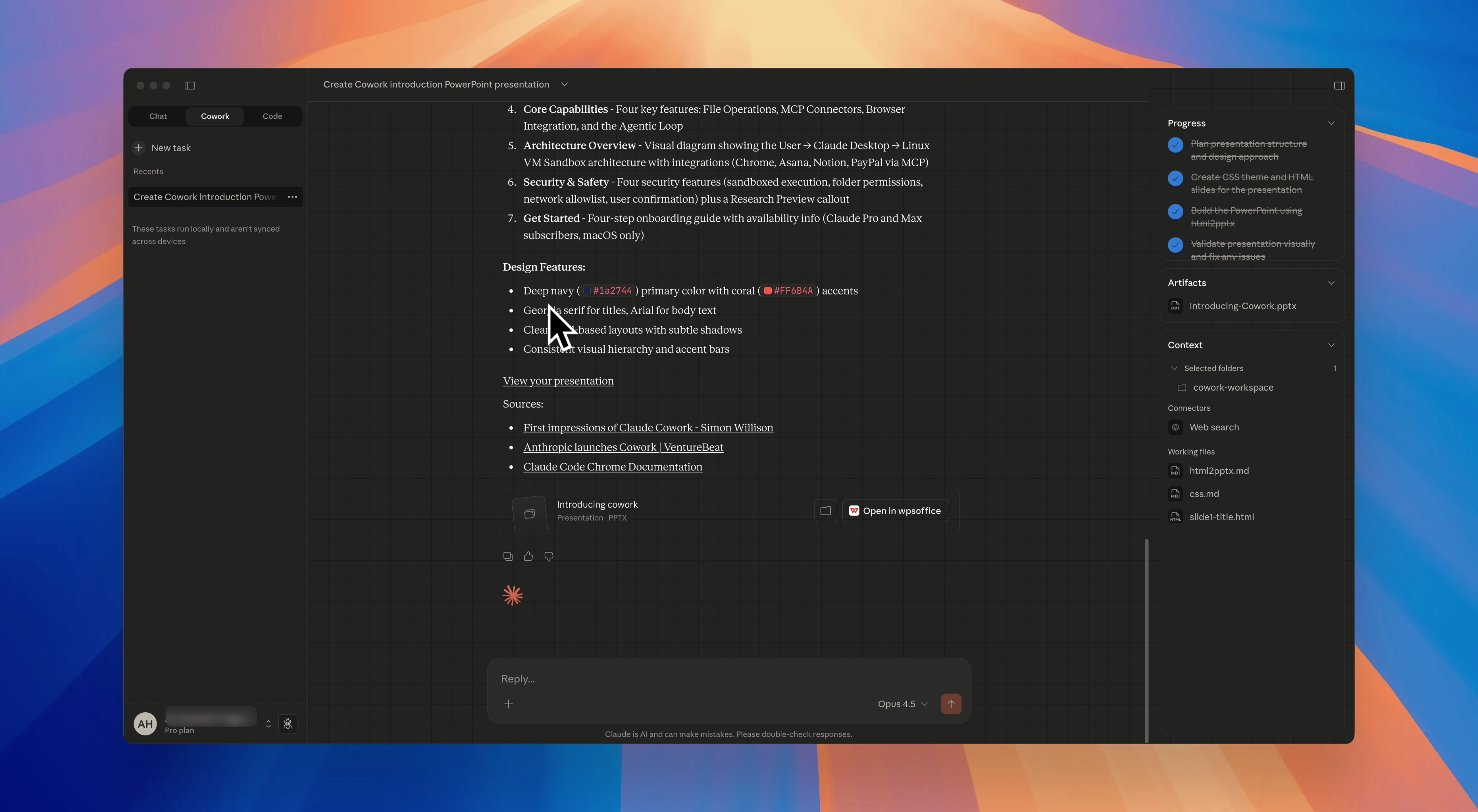
Claude Cowork embodies many of these principles by bringing powerful AI capabilities to non-developers. But the true vision of Open Cowork extends beyond any single product — it's about building an open ecosystem where AI assistants can seamlessly integrate into how we work.
From Claude Code to Open Alternatives
The Evolution
The journey started with Claude Code, a terminal-based tool for developers. It was intentionally designed to be:
"Low-level and unopinionated, providing close to raw model access without forcing specific workflows."
This philosophy created a flexible, customizable, scriptable, and safe power tool that developers loved. Now, with Cowork, this power extends to everyone.
The Open Source Movement
Claude Code's success sparked an open-source revolution. Developers wanted similar capabilities without vendor lock-in or subscription costs. This led to several remarkable projects:
| Tool | Stars | Description | Best For |
|---|---|---|---|
| OpenCode | 60,000+ | Provider-agnostic Claude Code alternative | Self-hosted flexibility |
| Cline | 4M+ installs | Autonomous AI coding agent for IDEs | VS Code/JetBrains users |
| Aider | 25,000+ | Git-aware terminal pair programmer | Terminal-first developers |
| Goose CLI | 15,000+ | Fully local AI assistant | Offline/privacy-focused |
| OpenHands | 50,000+ | Autonomous dev agents | Complex multi-step tasks |
Deep Dive: OpenCode - The Open Alternative
OpenCode deserves special attention as the most direct open-source equivalent to Claude Code.
Key Advantages
1. Provider Agnostic
Supports 75+ AI providers:
- OpenAI (GPT-4, o1)
- Anthropic (Claude)
- Google (Gemini)
- Local models (Ollama, LM Studio)
- Open-source models (Llama, Qwen, GLM)
2. Cost Efficiency
| Provider | Cost per Million Tokens | Savings vs Claude |
|---|---|---|
| Claude Sonnet 4.5 | $3-15 | Baseline |
| GLM-4.7 | $0.088 | 97% savings |
| Qwen-Max | $0.40 | 87% savings |
| Devstral 2 | $1.20 | 60% savings |
3. Advanced Architecture
OpenCode uses a client/server design enabling:
- Persistent remote Docker workspaces
- Collaborative editing sessions
- Custom tool integrations
- Air-gapped deployments
Performance Comparison
In head-to-head testing with identical tasks:
| Task | Claude Code | OpenCode |
|---|---|---|
| Cross-file refactoring | 3 min | 3 min |
| Bug fixes | 40 sec | 40 sec |
| Test generation | 73 tests | 94 tests |
| Total time | 9m 9s | 16m 20s |
Verdict: Claude Code prioritizes speed; OpenCode emphasizes thoroughness and flexibility.
Building Your Open Cowork Stack
Option 1: Pure Open Source
For maximum control and zero vendor lock-in:
Stack Components:
├── AI Provider: Ollama + Llama 3.2
├── Coding Agent: OpenCode or Cline
├── File Management: Custom scripts
├── Integration: Open-source MCPs
└── Cost: $0 (compute only)Pros: Full control, privacy, no recurring costs Cons: Requires technical setup, may lack some features
Option 2: Hybrid Approach
Balance cost, capability, and convenience:
Stack Components:
├── AI Provider: OpenRouter (multi-model)
├── Coding Agent: Cline (VS Code)
├── General Tasks: Claude Cowork (when needed)
├── Integration: Mix of open and commercial
└── Cost: ~$20-50/monthPros: Flexibility, best-in-class for different tasks Cons: Multiple tools to manage
Option 3: Enterprise Open Cowork
For teams requiring governance and scale:
Stack Components:
├── AI Provider: Azure OpenAI or AWS Bedrock
├── Coding Agent: OpenHands (self-hosted)
├── Orchestration: Custom workflows
├── Security: Enterprise controls
└── Cost: Usage-based + infrastructurePros: Security, compliance, scalability Cons: Implementation complexity
The MCP Revolution: True Openness
One of the most significant developments in the Open Cowork movement is the Model Context Protocol (MCP).
What is MCP?
MCP is a standard for connecting AI tools to external services:
AI Agent ←→ MCP Protocol ←→ External Services

Examples:
- Claude ←→ MCP ←→ Google Drive
- OpenCode ←→ MCP ←→ GitHub
- Cline ←→ MCP ←→ Databases
Why MCP Matters
- Interoperability: Any MCP-compatible tool can use any MCP-compatible service
- Extensibility: Developers can create custom MCPs for any service
- Portability: Switch between AI tools without losing integrations
Popular MCPs
| MCP | Function | Compatible With |
|---|---|---|
| filesystem | Local file access | All major agents |
| github | Repository management | Claude Code, OpenCode |
| slack | Team communication | Cowork, Cline |
| browser | Web navigation | Claude, OpenHands |
| database | SQL/NoSQL access | OpenCode, Aider |
Creating Your Own Open Cowork Environment
Step 1: Choose Your AI Backend
For Budget-Conscious Users:
- Local: Ollama + Codestral
- API: OpenRouter with cost limits
For Quality-First Users:
- Claude API with custom tooling
- GPT-4o for specific tasks
For Privacy-First Users:
- Fully local with Llama 3.2
- Air-gapped deployment
Step 2: Set Up Your Agent
Terminal Users:
# Install OpenCode
npm install -g opencode

# Configure provider
opencode config set provider ollama
opencode config set model codestral:latest

# Start working
opencode "Refactor the authentication module"
IDE Users:
- Install Cline extension
- Configure your preferred AI provider
- Enable MCP integrations
- Start coding with AI assistance
Step 3: Integrate with Your Workflow
Create custom workflows that combine multiple tools:
# workflow.yaml
name: "Weekly Report Generation"
steps:
  - agent: opencode
    task: "Analyze git commits from past week"

  - agent: cowork
    task: "Research competitor updates"

  - action: combine
    output: "weekly-report.md"
The Future of Open Cowork
Emerging Trends
1. Multi-Agent Collaboration AI agents working together, each specialized for different tasks:
- Research agent gathers information
- Analysis agent processes data
- Writing agent creates reports
- Review agent checks quality
2. Personal AI Workspaces Your own AI environment that:
- Learns your preferences over time
- Maintains context across sessions
- Integrates with all your tools
- Runs locally for privacy
3. Federated AI Networks Distributed AI systems where:
- Models run across multiple nodes
- No single point of failure
- Privacy preserved through encryption
- Costs shared across users
What This Means for You
The Open Cowork movement gives you choices:
- Use Claude Cowork for seamless, polished experiences
- Use open-source alternatives for control and cost savings
- Mix and match tools for optimal results
- Build custom solutions on open foundations
Taking Action
For Individuals
- Start with Claude Cowork to understand the paradigm
- Experiment with OpenCode or Cline for technical tasks
- Explore MCP integrations to extend capabilities
- Join communities to learn and contribute
For Teams
- Evaluate security requirements for AI tool selection
- Pilot multiple tools to find the best fit
- Develop internal guidelines for AI collaboration
- Train team members on effective AI usage
For Developers
- Contribute to open-source projects like OpenCode or Cline
- Build MCPs for services you use
- Share workflows that others can adapt
- Document best practices for the community
Conclusion
Claude Cowork isn't just a product — it's part of a larger movement toward Open Cowork, where AI collaboration tools are accessible, transparent, and interoperable. Whether you choose Anthropic's polished solution or dive into the vibrant open-source ecosystem, the goal is the same: making AI a true coworker for everyone.
The future of work isn't about replacing humans with AI — it's about humans and AI working together, openly and effectively. That's the promise of Open Cowork.
Sources: